

 en
 zh
 it
 es
 ja
 sv
 no
 nl
 ko
 fi
 ru
 fr
 de
 Oct 29, 2026
Certified power conversion efficiency of 26.9% for small-area single-junction flexible perovskite solar cells, setting a world record in this category
Certified power conversion efficiency of 20.2% for commercial-size modules
High efficiency combined with stable operation at 85°C for approximately 1,000 hours
PART01:Featured in the Main Issue
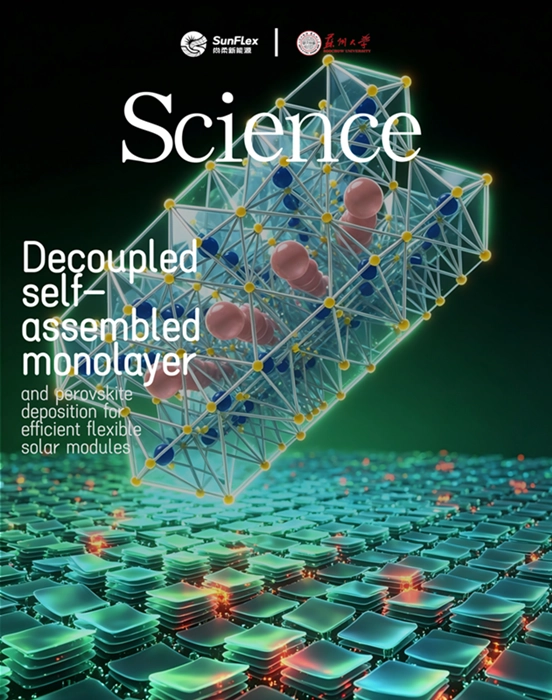
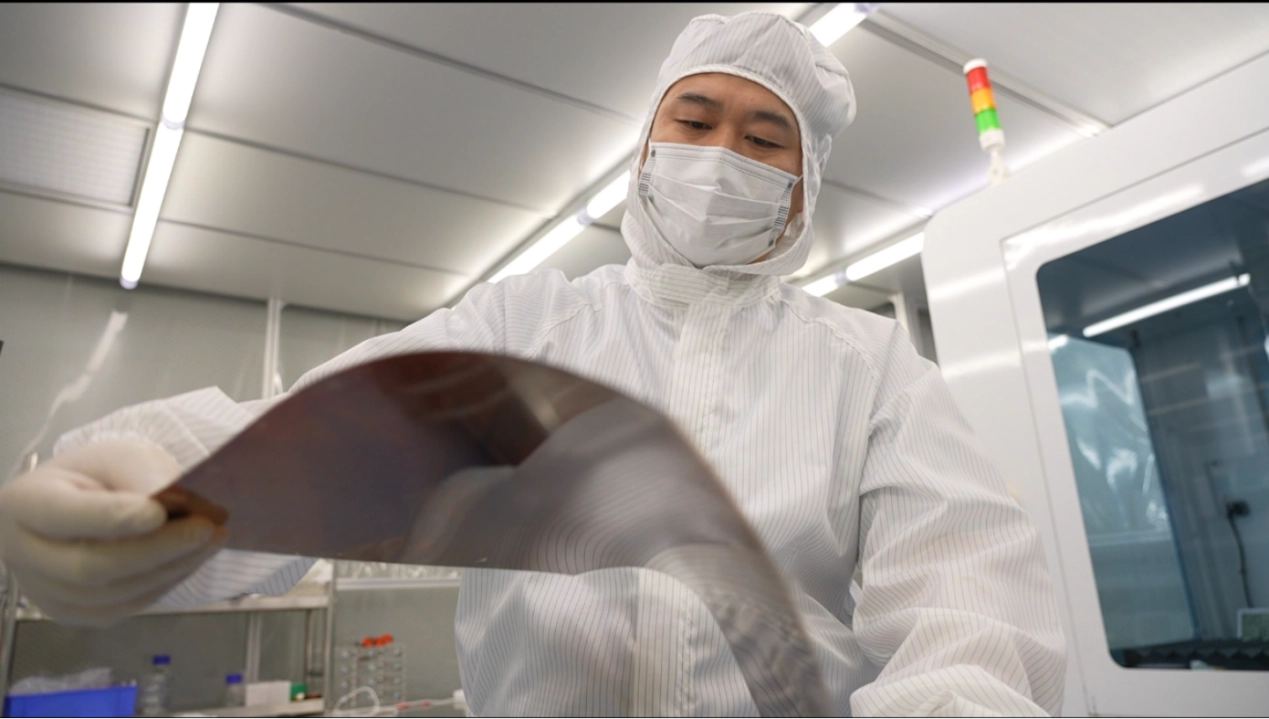
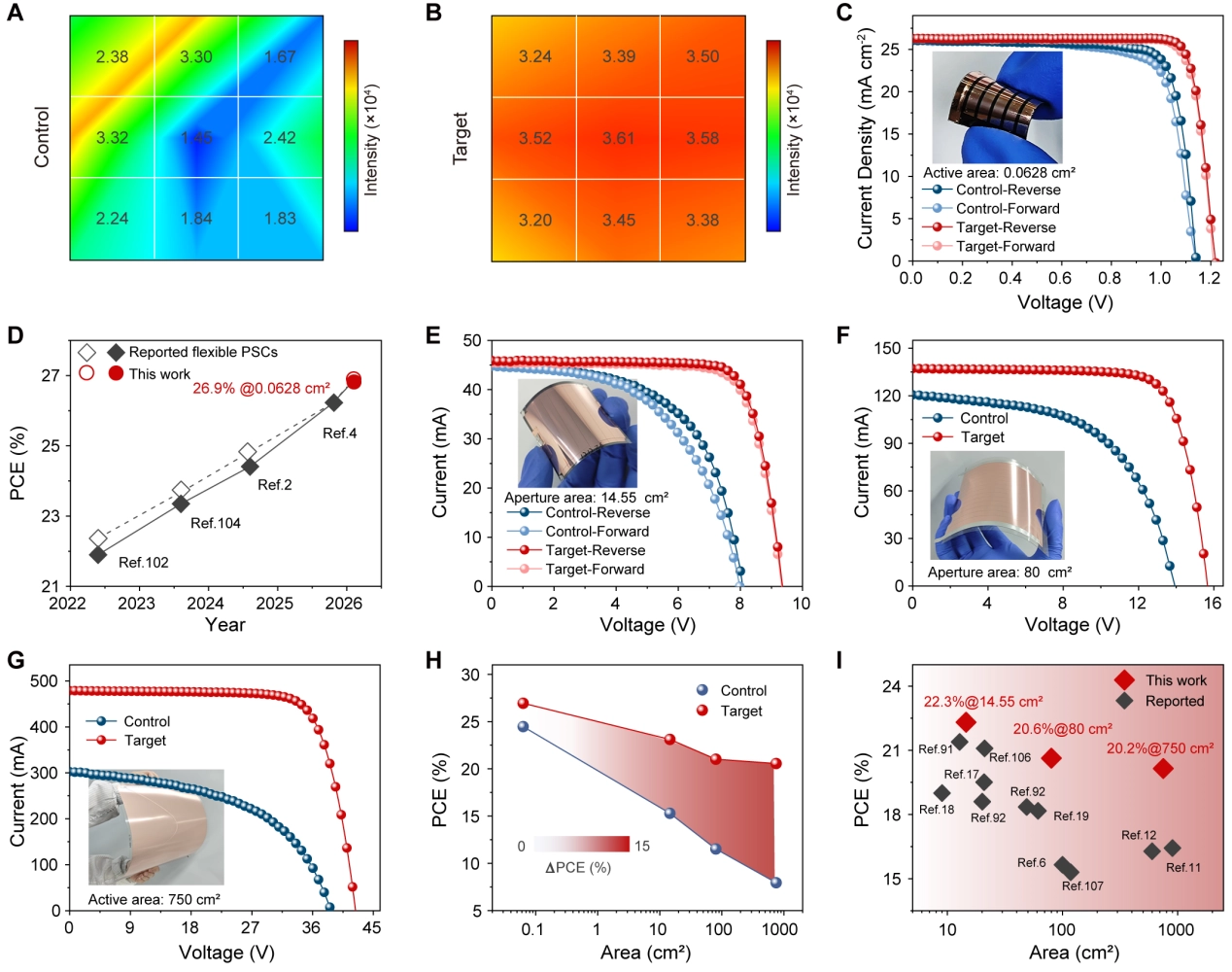
SunFlex New Energy, in collaboration with Soochow University and other research partners, has published its latest research in Science, one of the world’s leading scientific journals. According to the company, this marks the first time a Chinese flexible perovskite company has participated as a collaborating industry partner in a publication in Science. The research represents a major scientific and industrial achievement by the team led by Professor Li Yaowen, SunFlex’s Chief Scientist, and Professor Xu Guiying, Director of R&D. The study addresses a longstanding global challenge in scaling up flexible perovskite photovoltaics: maintaining high efficiency and reliability as device dimensions increase. Small-area single-junction flexible perovskite solar cells achieved a certified power conversion efficiency of 26.9%, setting a world record for this category. Commercial-size modules with an area of 1,050 cm² achieved a certified efficiency of 20.2%. The study also reports the first demonstration of stable operation of flexible perovskite modules at 85°C for approximately 1,000 hours.
PART 02:Technical Breakthrough
As a next-generation thin-film photovoltaic technology, flexible perovskite solar cells offer advantages such as low weight, thin profiles, bendability, and the ability to conform to complex curved surfaces. These characteristics open up application opportunities in portable power, low-altitude aircraft, building-integrated photovoltaics (BIPV), and aerospace—areas where conventional rigid photovoltaic technologies can face limitations. However, scaling devices from small laboratory samples to commercial-size modules has long presented a major challenge. At larger dimensions, achieving uniform coverage of interface layers becomes more difficult, while the quality of functional-film formation can deteriorate. As a result, both conversion efficiency and stability can decline significantly as device area increases. This scale-up challenge has been a key obstacle to the transition of flexible perovskite technology from laboratory research to large-scale manufacturing.
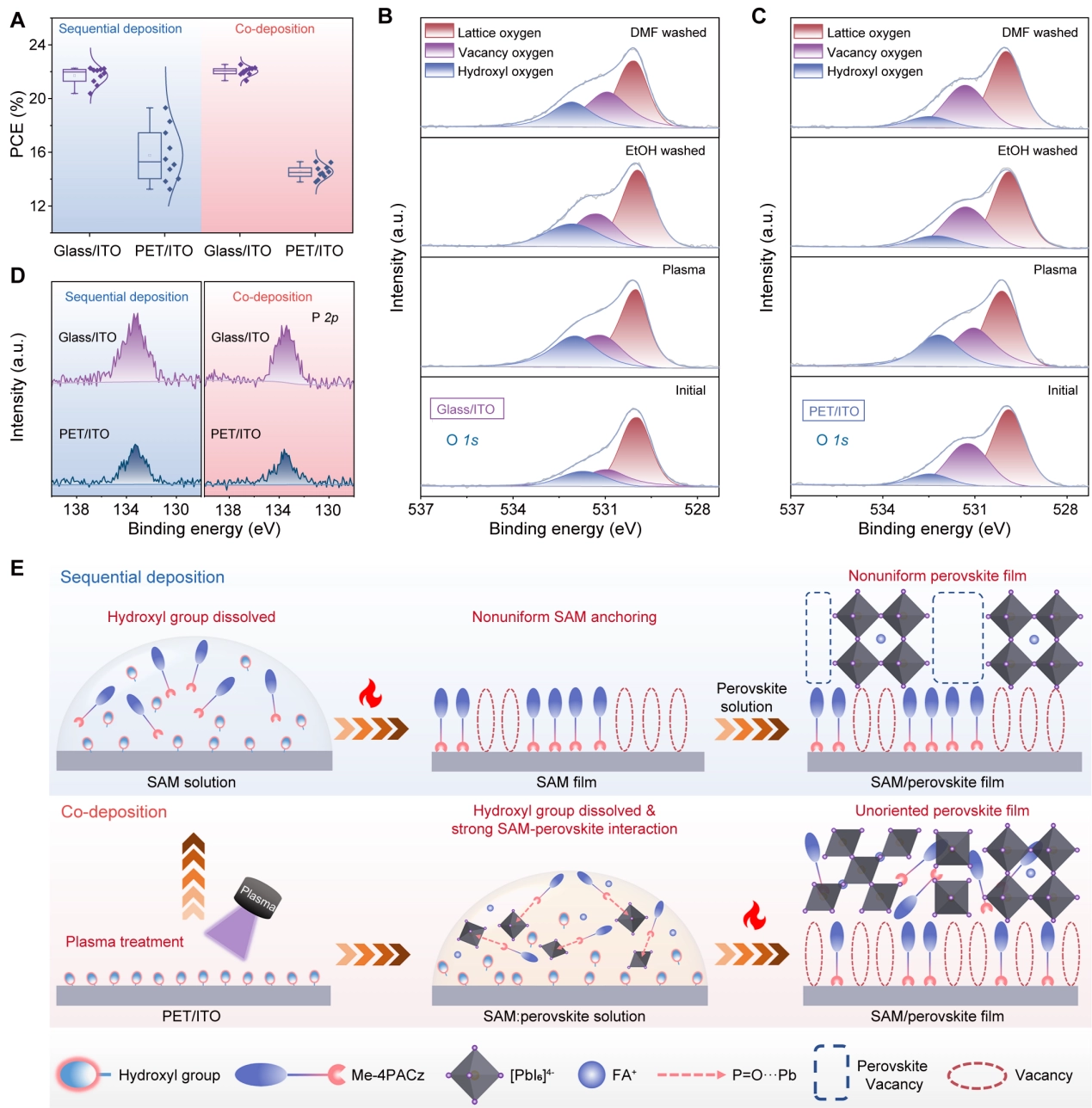
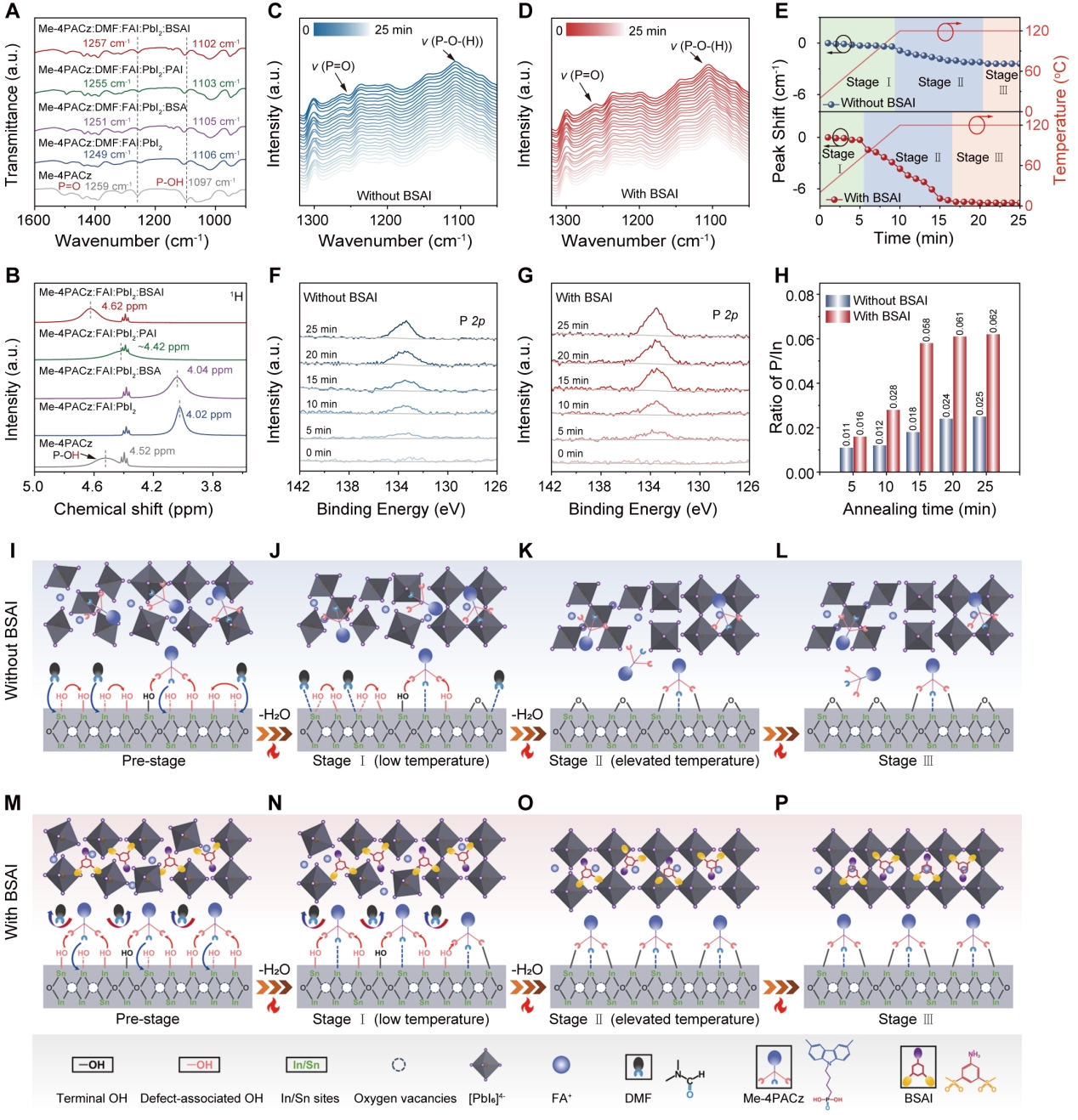
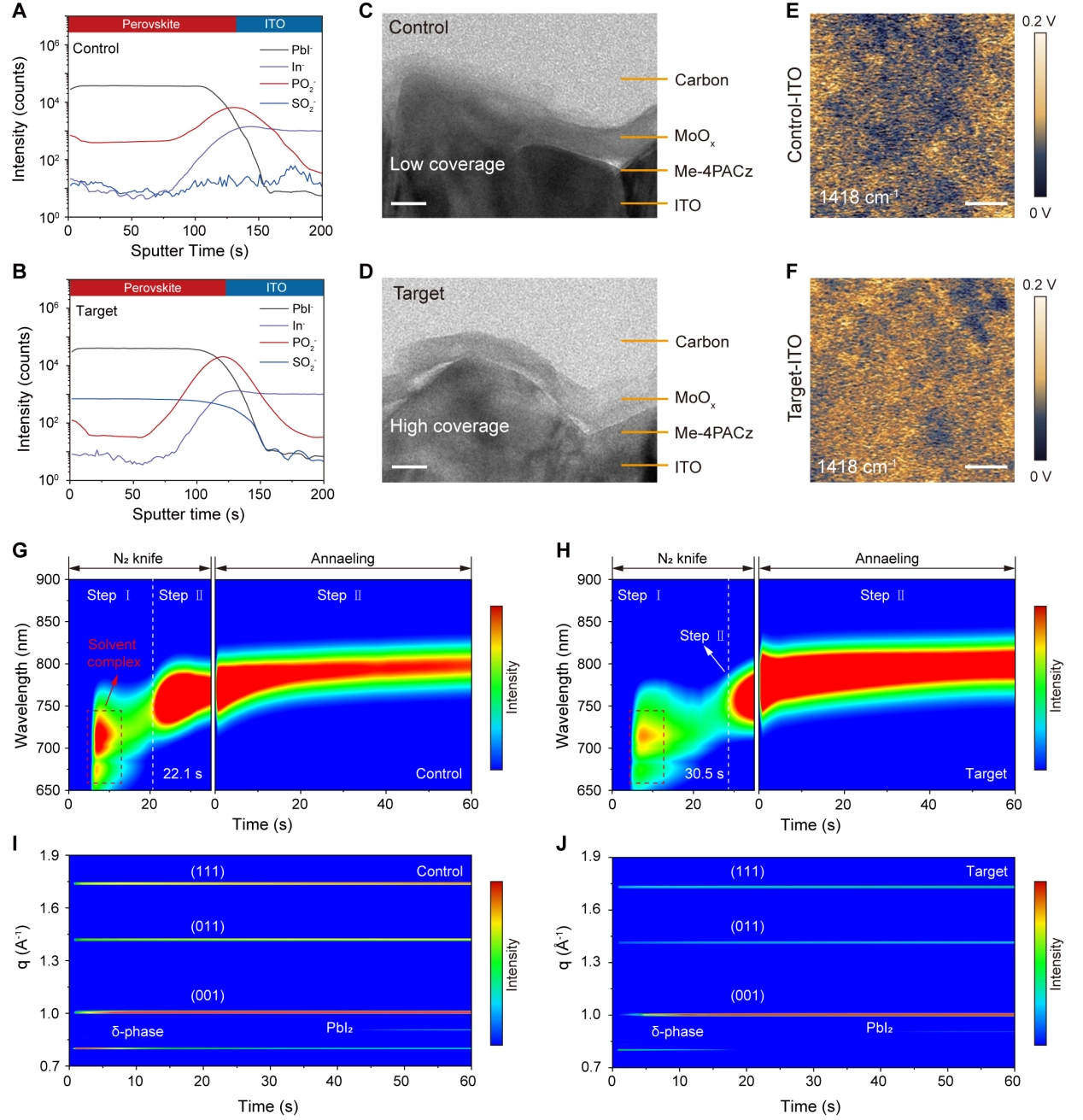
The research team identified the underlying mechanism at the molecular level. Hydroxyl groups on the surface of the PET/ITO flexible substrate are prone to desorption, creating dynamic competition with the anchoring process of self-assembled monolayers (SAMs). This competition leads to nonuniform interface formation and compromises perovskite crystallization quality. To address this mechanism, the team developed a bifunctional decoupling molecule, BSAI, and a new process that combines SAM–perovskite co-deposition. The approach accelerates the formation of a dense, uniform SAM layer on the flexible substrate while simultaneously regulating perovskite nucleation and preferred crystal growth orientation. This enables highly uniform, full-area formation of the functional layer on flexible substrates measuring up to 1,050 cm².
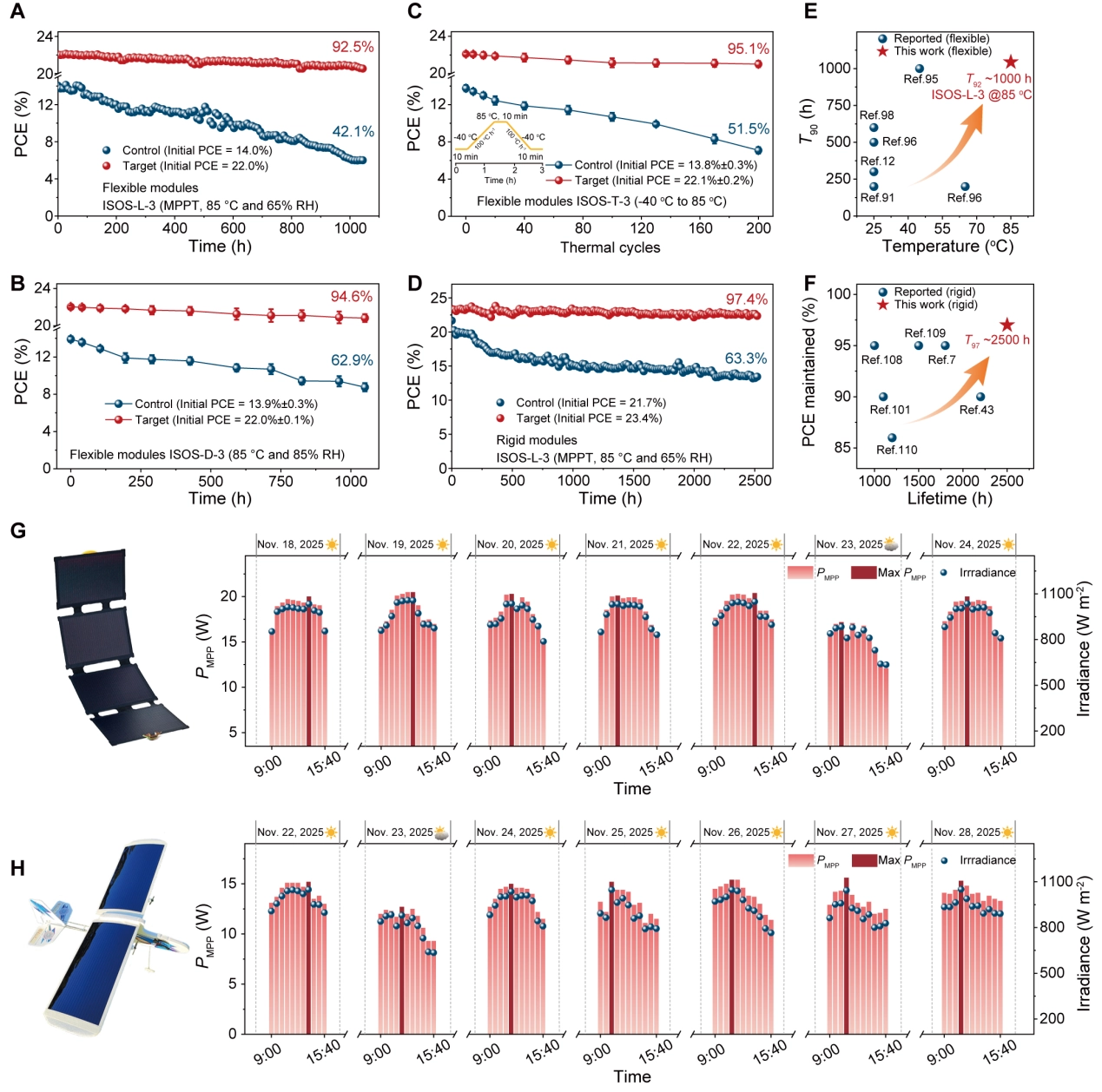
Using this strategy, small-area flexible single-junction devices achieved a certified power conversion efficiency of 26.9%, setting a world record for flexible perovskite solar cells in this category. As the device area increased, certified efficiencies of 22.3%, 20.6%, and 20.2% were achieved on substrates measuring 25 cm², 100 cm², and 1,050 cm², respectively, significantly reducing efficiency losses during scale-up. Equally importantly, under demanding test conditions of 85°C and 65% relative humidity, the modules maintained more than 92% of their initial efficiency after approximately 1,000 hours of continuous maximum power point tracking (MPPT). According to the research team, previous stability evaluations of flexible perovskite modules in the industry had not been conducted at temperatures exceeding 70°C. The modules also passed all test sequences under IEC TS 63163:2021, an international standard for the commercial evaluation of flexible, portable photovoltaic modules, and completed real-world application demonstrations involving drone power supply and portable charging.
PART 03: Industrial Deployment
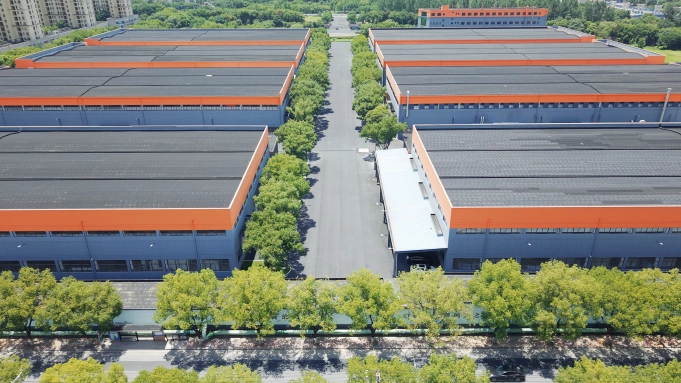
The achievement has already progressed beyond the laboratory. Through the industry–academia–research collaboration platform jointly established by Soochow University and SunFlex New Energy, the large-area uniform fabrication technology has been integrated into SunFlex’s mass-production system. As the industrialization partner responsible for commercializing the research outcomes, SunFlex has established a 100 MW-scale flexible perovskite mass-production facility in Zhuji, Zhejiang Province, China, with an annual production capacity of six million units. The facility is supported by two R&D pilot-scale demonstration lines, each covering 5,000 m², and an in-house IEC-standard testing center equipped to conduct 18 enhanced test protocols. SunFlex has completed process replication from small laboratory samples to standardized modules, alongside iterative improvements in manufacturing yield, and is equipped to deliver large-format flexible modules in volume.
PART04:Widely Recognized
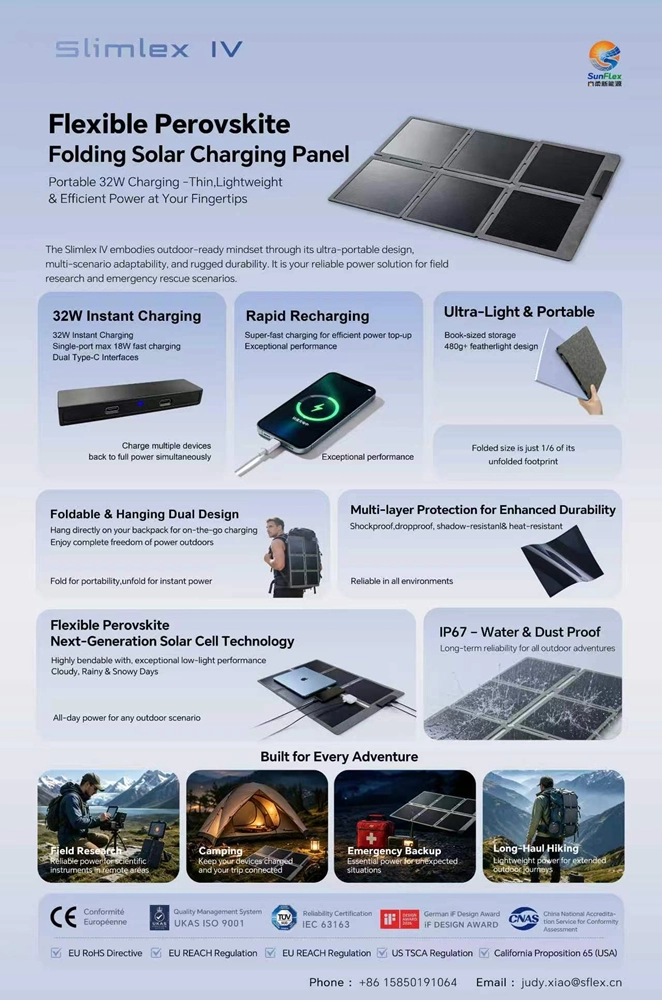
Building on its established production capabilities, SunFlex has brought several flagship products to the consumer market. Its popular portable foldable solar charging panel has undergone field testing at high altitude on Mount Everest. The standard 32 W version weighs less than 500 g and features two USB Type-C ports, each delivering up to 18 W. Customized power ratings ranging from 8 W to 120 W are available to meet different requirements. The product is designed for a variety of applications, including outdoor camping, field operations, and emergency power supply.
SunFlex has also partnered with Inkanva to launch its first self-powered AI e-paper photo frame featuring flexible perovskite technology. The product has launched on Kickstarter, an international crowdfunding platform, enabling users to update displayed images without an external power supply. Its differentiated features have attracted interest in overseas markets, helping SunFlex expand its consumer product business internationally.

Beyond consumer applications, SunFlex is also advancing into the technically demanding field of space photovoltaics. The company has entered into a strategic partnership with Qianyi Aerospace to develop China’s first 400 m² rollable flexible perovskite solar array, intended to provide power for the “Alaiyeshi” computing satellite constellation. SunFlex is also working with leading domestic testing and certification organizations to establish an AM0 space-environment testing center. Equipped with vacuum chambers and temperature-cycling and ultraviolet irradiation systems, the center is designed to reproduce key space-environment conditions for comprehensive reliability testing, accelerating the technology’s path toward in-orbit applications.

From fundamental mechanistic breakthroughs published in Science to engineering scale-up on a 100 MW-class production line, and from international consumer markets to advanced aerospace applications, SunFlex is pursuing a dual strategy of scientific innovation and industrial development. The company aims to accelerate the transition of flexible perovskite photovoltaics from laboratory research in China to commercial deployment worldwide.

