

 en
 zh
 it
 es
 ja
 sv
 no
 nl
 ko
 fi
 ru
 fr
 de
 Oct 29, 2026
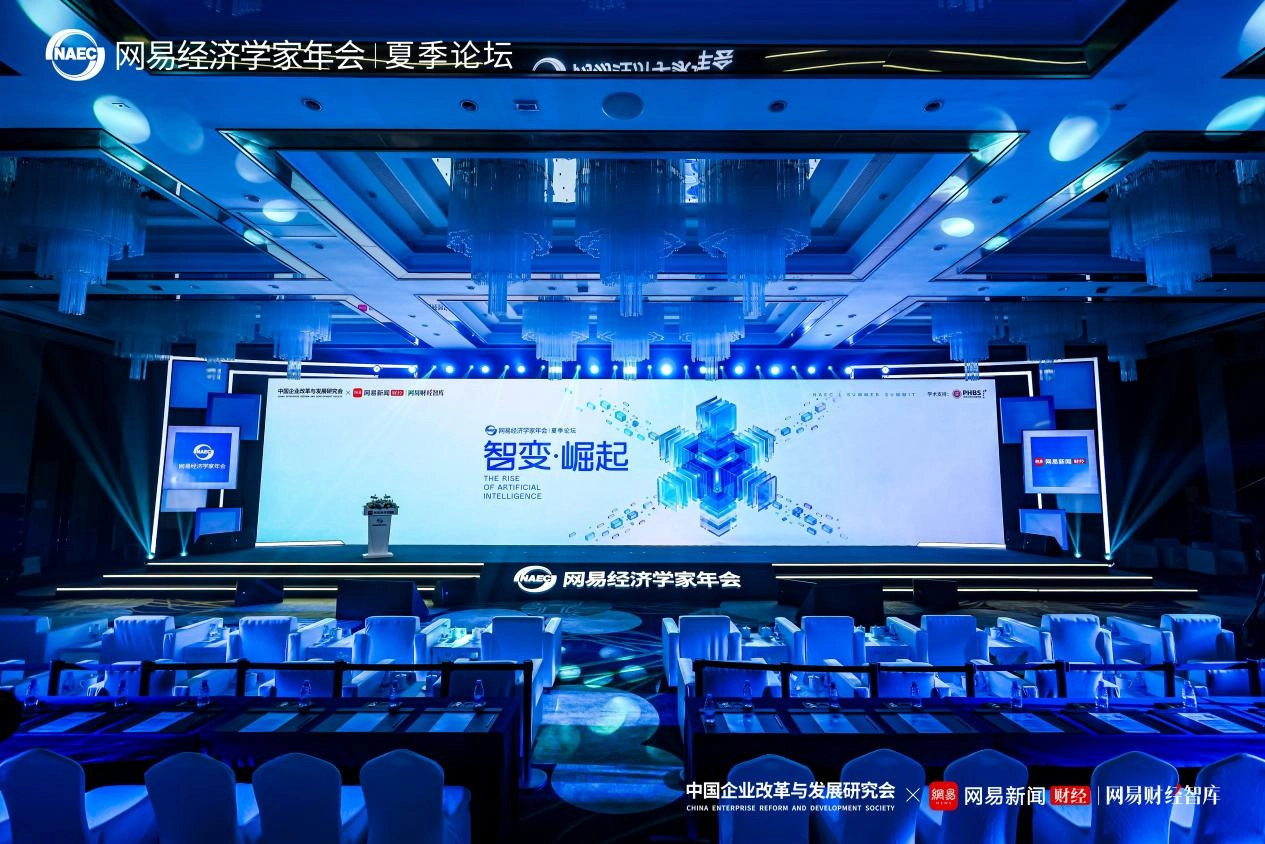
The 2026 NetEase Economists Annual Conference – Summer Forum was recently held in Shenzhen, China. Under the theme “Intelligent Transformation and Emerging Opportunities,” the forum brought together industry experts and business leaders to explore emerging opportunities in frontier industries. Chen Yujin, Founder and General Manager of SunFlex New Energy, attended the event alongside Li Rui, Founder and CEO of Qianyi Aerospace, SunFlex’s strategic partner. Together, they shared flexible perovskite technology solutions for commercial spaceflight and energy supply for space-based computing infrastructure.
As plans to build out trillion-scale low-orbit computing satellite constellations accelerate, round-the-clock, large-scale operation of space-based computing raises stringent requirements for on-satellite power systems. Power draw per satellite continues to climb. Traditional rigid photovoltaic panels based on crystalline silicon and gallium arsenide are constrained by mass, stowage envelope, launch cost and space environmental tolerance, and can no longer satisfy power requirements for next-generation high-computing satellites.
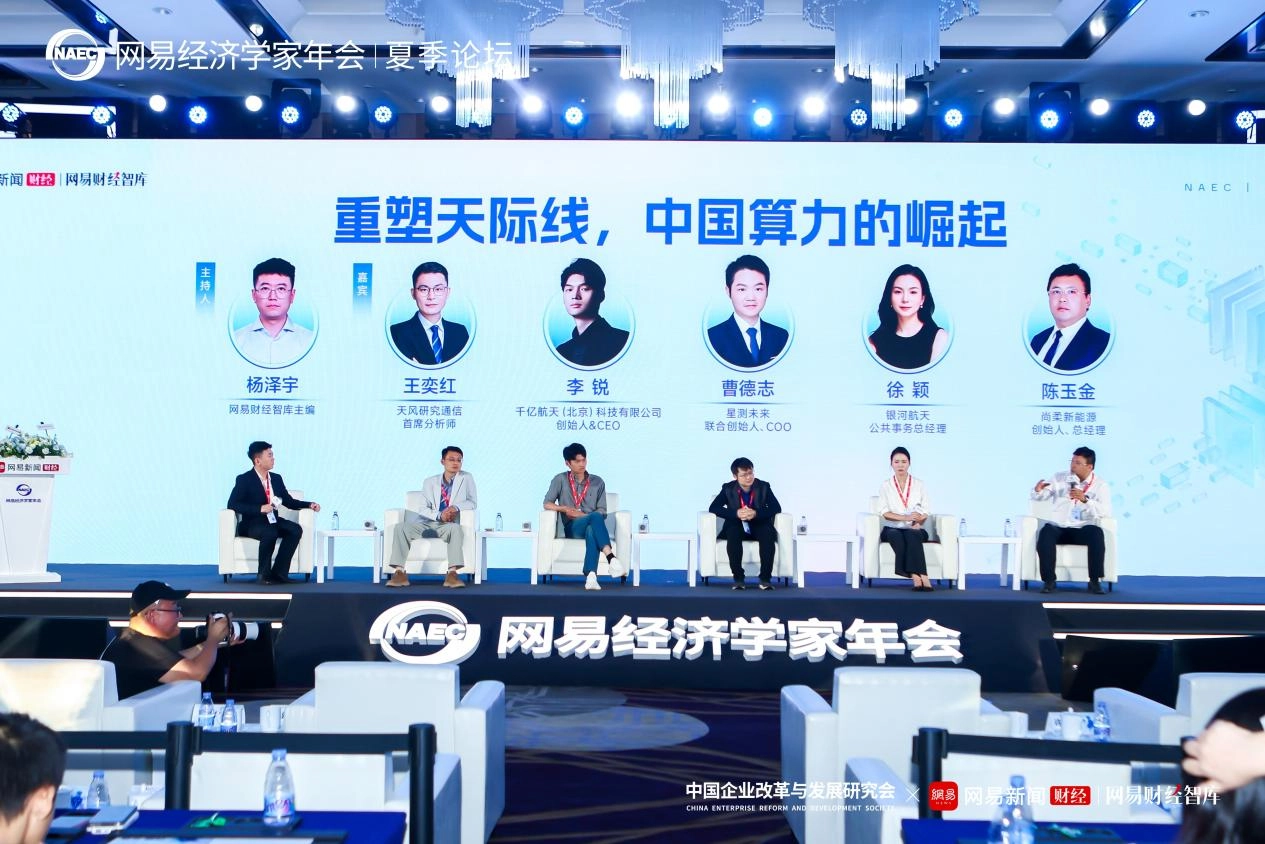
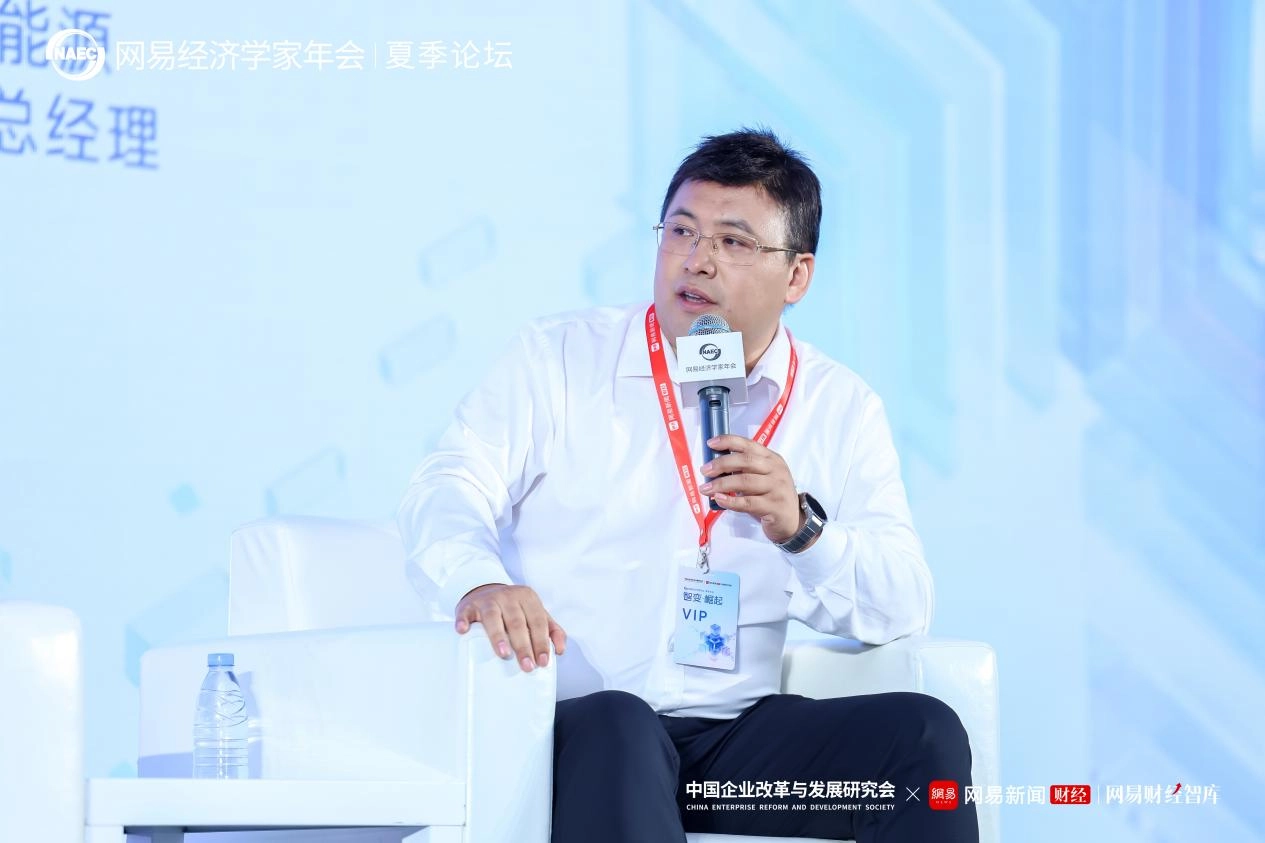
During the discussions, Chen Yujin examined the technical value of rollable perovskite solar arrays in addressing three key challenges in powering space-based computing: large-scale power generation, long-term operation, and high reliability.
With a solar collection area of 400 m², the rollable perovskite solar array is designed to deliver a high power output of 80–120 kW. Its lightweight, thin, and foldable structure allows it to be compactly stowed inside a spacecraft, much like a retractable tape measure, and automatically deployed once in orbit. Its specific power is reported to be up to 10 times that of conventional crystalline silicon solar technology and 2–3 times that of gallium arsenide (GaAs) technology. These characteristics offer a potential solution to the substantial power demands of high-power computing satellites.
Flexible perovskite materials offer inherent radiation resistance and the potential for self-healing through thermal annealing. Combined with SunFlex’s proprietary flexible thin-film encapsulation technology, these properties are designed to help the solar arrays withstand intense space radiation and extreme temperature fluctuations ranging from −170°C to +120°C. According to simulated in-orbit assessments, the conversion efficiency of customized tandem perovskite thin films is projected to remain stable at 28%–30%. The complete solar array is expected to achieve an operational service life of 5–8 years in orbit. These capabilities are intended to support reliable, uninterrupted power supply throughout the operational life of low Earth orbit (LEO) computing satellites, while reducing the impact of variations in the angle of incident sunlight.
With a target constellation of 12,500 computing satellites in sun-synchronous orbits, rollable flexible perovskite solar arrays could help address key limitations of conventional power systems, including deployment complexity, high costs, and limited operational stability. By offering a lightweight, high-reliability energy solution, the technology has the potential to support the large-scale development of the trillion-yuan space-based computing industry.
Looking ahead, SunFlex will continue to advance the research, development, and commercialization of flexible perovskite technology. The company will also continue to optimize space-grade energy solutions to support the growth and large-scale deployment of commercial spaceflight and space-based computing infrastructure.

