

 en
 zh
 it
 es
 ja
 sv
 no
 nl
 ko
 fi
 ru
 fr
 de
 Oct 21, 2026
Scientific and efficient detection and testing technology helps to better understand and improve products. The testing of flexible perovskite (FPSC) should consider its flexibility, thinness, light and dark alternation, low light performance, consumption attributes, etc. These projects are different from traditional photovoltaics, and existing detection technology is not fully applicable. At present, FPSC is in a critical period of industrialization, but the imperfection of the detection system has restricted the pace of its development, which is a gap that urgently needs to be filled. This article will focus on the testing problems encountered by Shangrou in actual R&D industrialization, with a view to providing some reference for quality testing in the perovskite industry.
Nowadays, the quality inspection technology of FPSC componentsTechniques availableBattery materials, packaging materials, components, auxiliary materials, application productsConsider multiple angles. Due to limited space, this article will focus on the two dimensions of packaging materials and flexible components.
1
Packaging materials
The testing system has been improved
Packaging materials, as a barrier to protect the battery, while providing protection, it can also increase the power generation efficiency of the module by changing the physical and chemical properties. At present, a relatively complete reliability testing system for packaging materials has been established at home and abroad. The mainstream test is the IEC 62788 series. In addition, domestic standards such as GB/T 31034, GB/T 29848, NB/T 10200 and other national, industry and group standards have also been formulated. The test objects involve various materials such as backsheets, adhesive films, edge sealants, etc. The test content is rich and complete, as shown in Figure 1. However, the above standards and tests only consider the influence of single stress conditions, and research and tests based on these conditions are obviously not perfect. Through the multi-stress comprehensive aging test, it is not only more suitable for the actual application of the product, but also the only way for the development of packaging materials towards high quality.
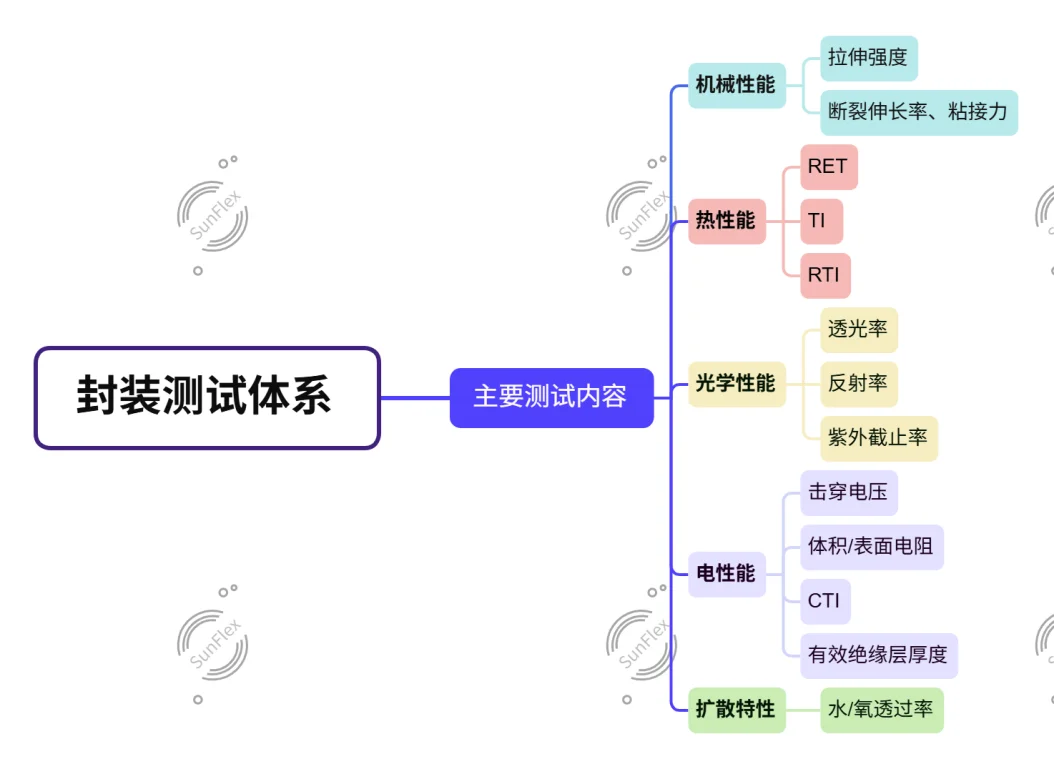
Figure 1. Main test contents of packaging material testing system
At present, the comprehensive aging sequence of packaging materials mainly comes from component testing, such as: Sequence B sequence involved in IEC 61730 (damp heat + ultraviolet + moist freezing), Sequence 3 of IEC 63209 (damp heat + ultraviolet + thermal cycle), and IEC 63163 aging sequence at each level.The test content can be seen in Figure 2-5. This type of test is more of a sequence of stress conditions and does not involve the simultaneous coexistence of multiple stresses such as wet UV, high and low temperature UV. Such tests should be improved in the future.
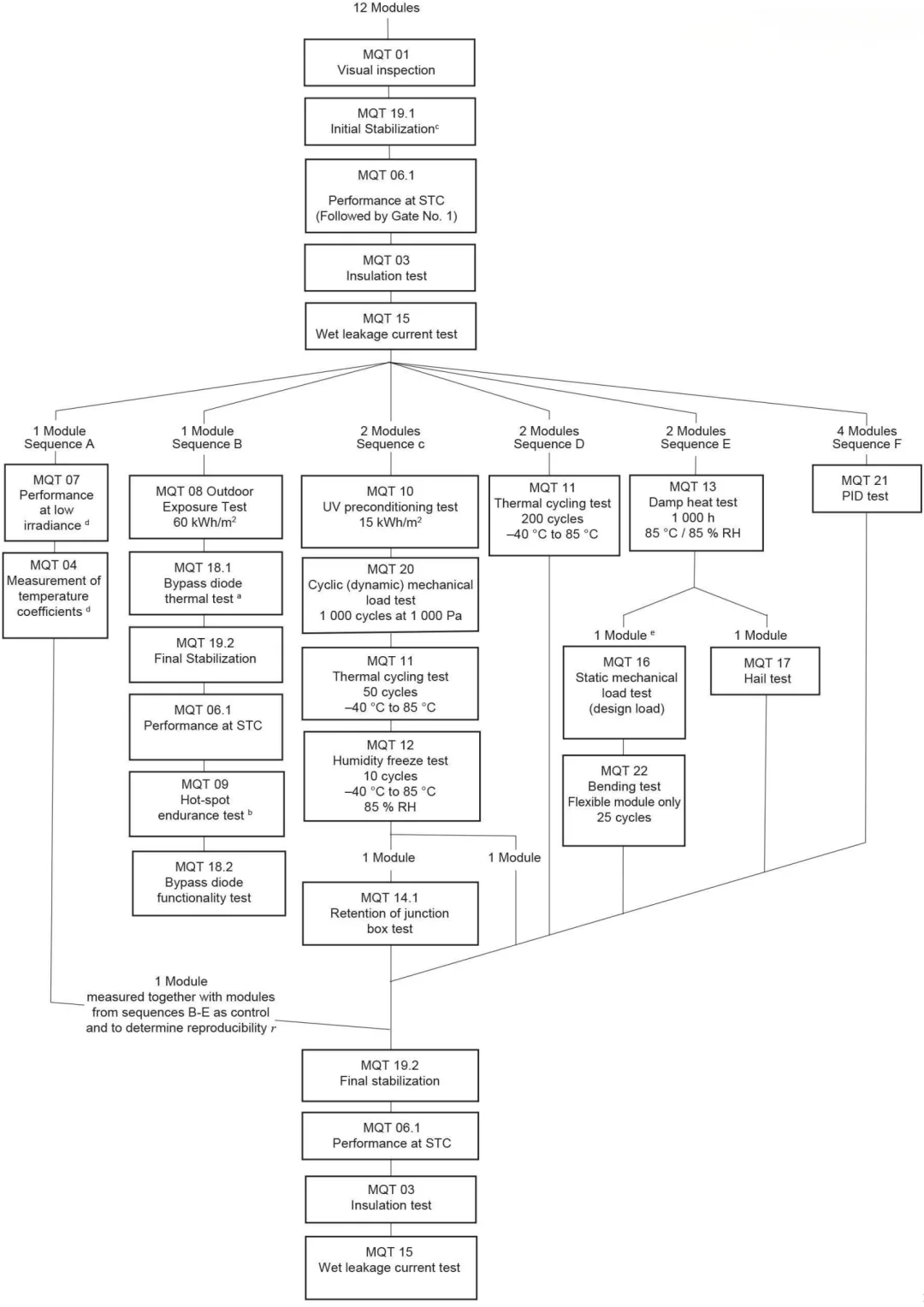
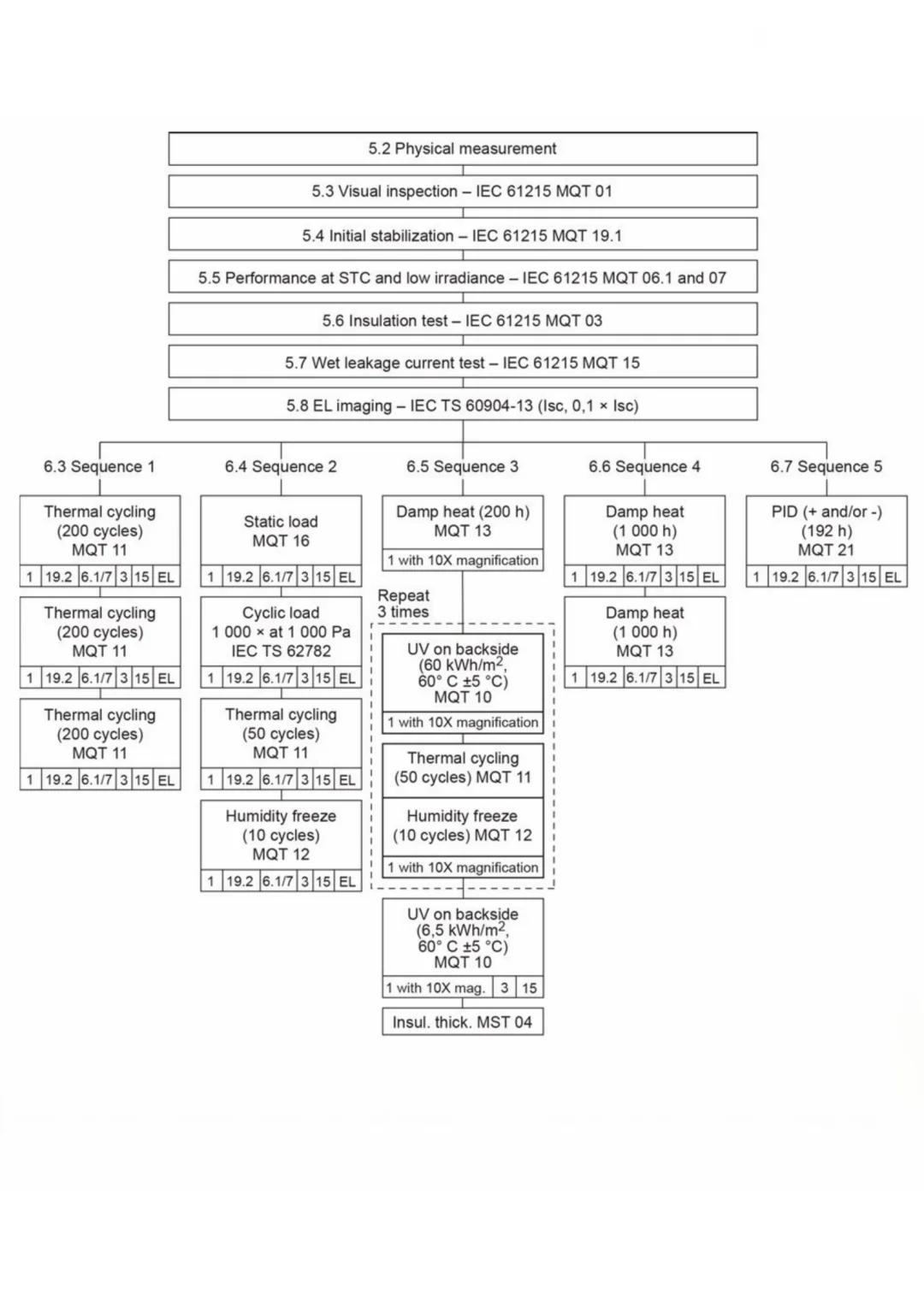
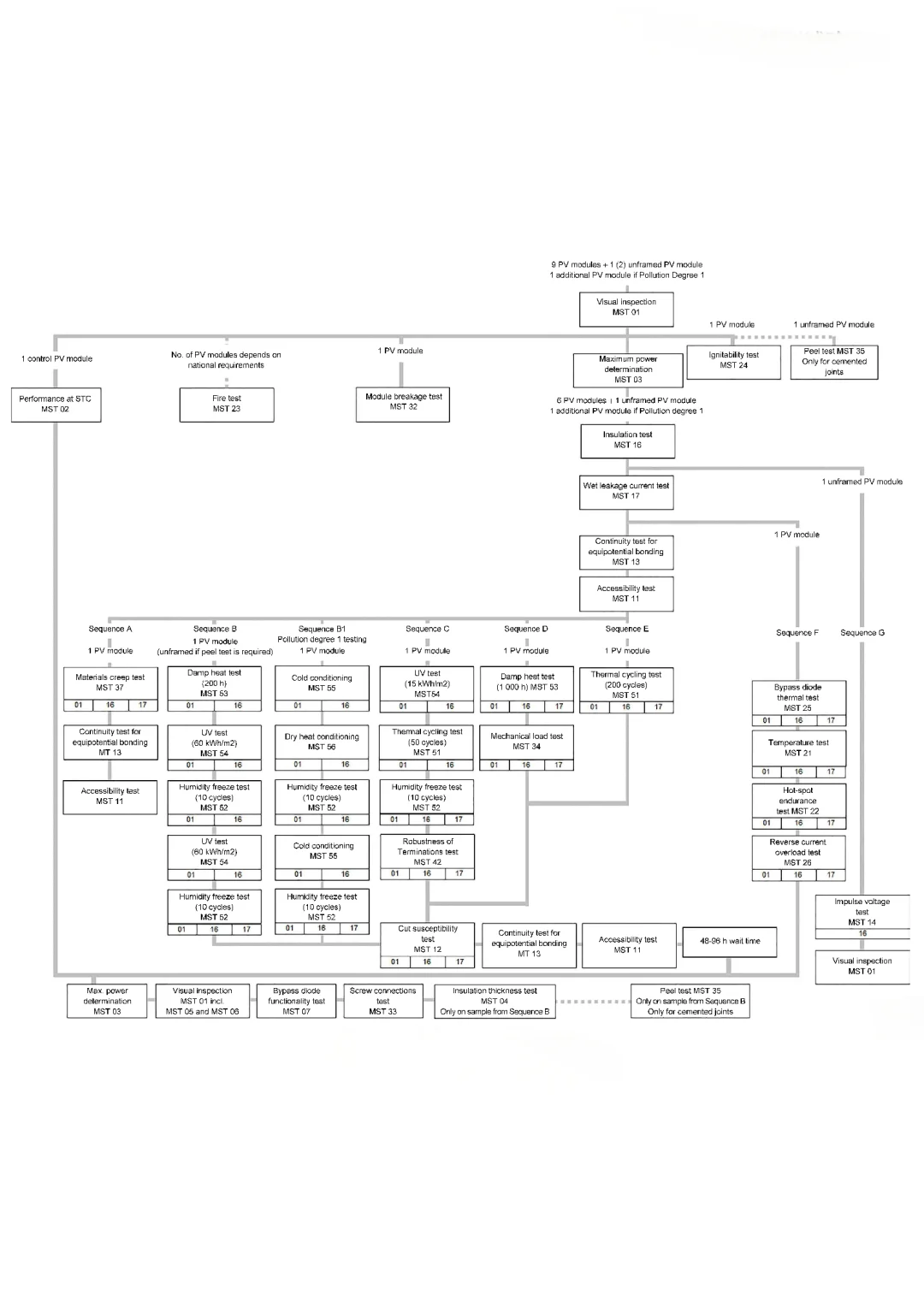
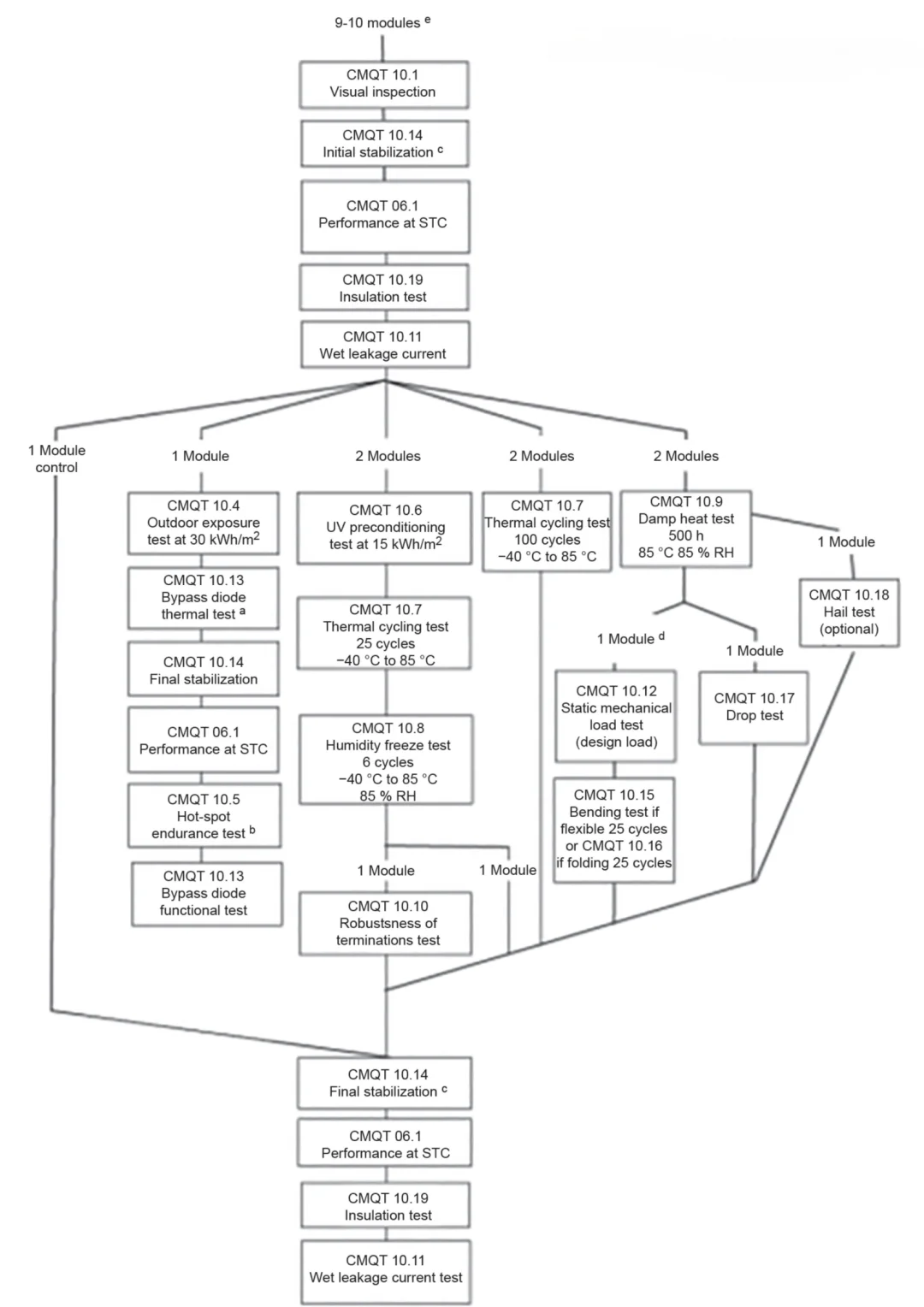
Swipe left or right to see more
Currently, Shangrou is formulating a specific plan for comprehensive aging testing of packaging materials.Integrate multiple standard sequences to formulate a "moist heat + ultraviolet irradiation + thermal cycle" stress synchronized aging plan(such as 85℃/85% RH moist heat + ultraviolet irradiation + (-40℃~85℃) thermal cycle), and add dynamic bending (radius 5-100mm, 1000-10000 cycles) and multi-stress coupling tests for the flexibility characteristics of FPSC. After aging, the water vapor transmittance is measured according to GBT 26253/ASTM F3299 standards.
2
Flexible components
System reliability testing needs to be improved urgently
The testing technology of crystalline silicon cells is now relatively complete. The current mainstream testing methods for crystalline silicon at home and abroad are based on the reliability testing system constructed by IEC 61215, IEC 61730, IEC 61853, IEC 60904 and other industry standards. The industrialization of perovskite has been advanced relatively late, and due to its differences with crystalline silicon, the testing scheme for crystalline silicon is not fully applicable. The testing content of perovskite cells at this stage is developed in combination with IEC, ISOS and other industry standards.There is no systematic reliability testing in the industry, and the testing standards of various third-party organizations have not yet been unified.. At the same time, in addition to the same tests on crystalline silicon, for the special properties of perovskite,It is also necessary to add new stress condition tests such as dark environment, alternating light and dark, and electrical bias.. In the future, ISOS-M, ISOS-TM, ISOS-LM and other tests should be added to examine the bending performance of components. In addition, the characteristics of perovskite low-light power generation make component reliability testing under low irradiance and indoor light source conditions an important issue that needs urgent consideration.
Shangrou New Energy combines the special stress influencing factors of perovskite batteries,Established a comprehensive aging test system based on component IV testing, combined with EL, PL, MPPT and other characterization testing technologies, focusing on light attenuation and adding other stress conditions., There are already such tests in the existing ISOS protocol, such as: ISOS-LT (alternating light and dark + high and low temperature cycles), ISOS-LC (alternating light and dark + constant humidity and heat). Such tests will be improved in the future, including but not limited to adding ISOS-LM (light attenuation + bending), light attenuation + constant humidity and heat + high and low temperature cycles, and multi-cycle stress tests similar to IEC 63209 sequence three. In addition, at the level of product quality control, all types of flexible components of Shangrou rely on IEC TS 63163 Category 3 as the minimum standard requirement for random inspections, supplemented by additional testing based on target scenarios and stricter requirements from customers.
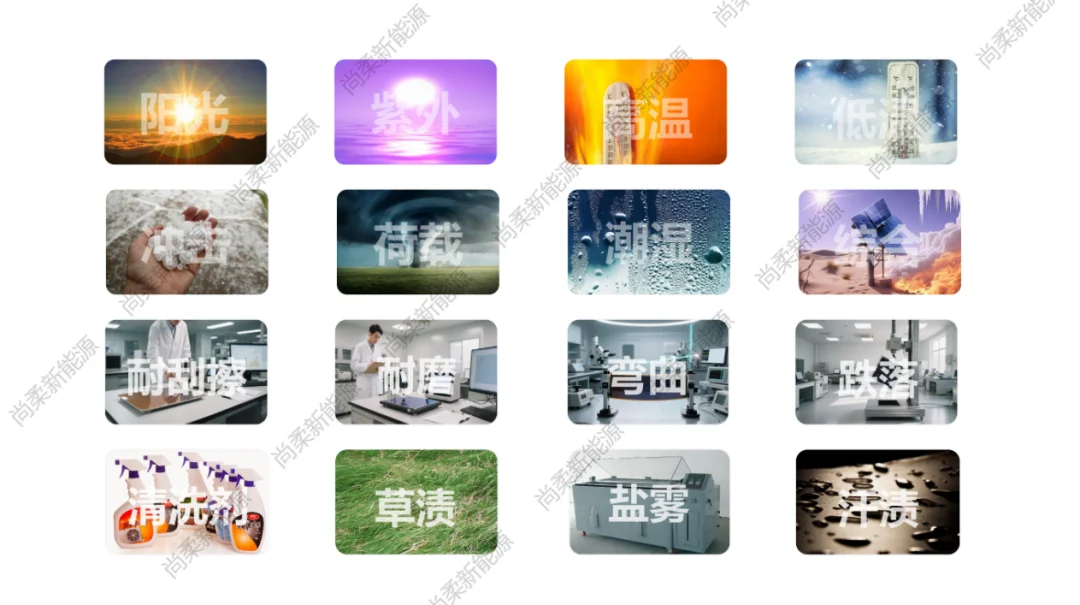
Figure 6. Main test matrix of Shangrou New Energy Flexible Components
In 2024, Shangrou New Energy built the first domestic flexible perovskite reliability analysis and testing center. It has dozens of light attenuation, ultraviolet, thermal cycle equipment, large walk-in aging boxes and numerous monitoring equipment, and strictly implements the ISO 17025 laboratory management system standard. Combining the company's rich experience in R&D industrialization and the current consensus on industry standards,Established a pioneering set of industry-leading "multi-dimensional reliability assessment system", innovatively established testing programs such as comprehensive photoaging, comprehensive UV, low-light performance calibration, and bending strength testing to fully protect the reliability and efficiency of the company's products. At present, we have cooperated with leading corporate customers in major industries to carry out product adaptation and optimization. A new intelligent mass production base will be completed by the end of the year, and will achieve an annual production capacity of 6 million pieces of flexible perovskite modules.
——The reservation channel for mass production lines is now open, and you can lock in the first batch of production capacity quotas by cooperating first.Click to consult to get exclusive product solutions and production bonuses!【Follow the official WeChat account and reply to "Quality Inspection"You can receive quality inspection learning materials for the two major modules of packaging and components, including core inspection items + specific inspection methods + inspection instruments, etc.]